
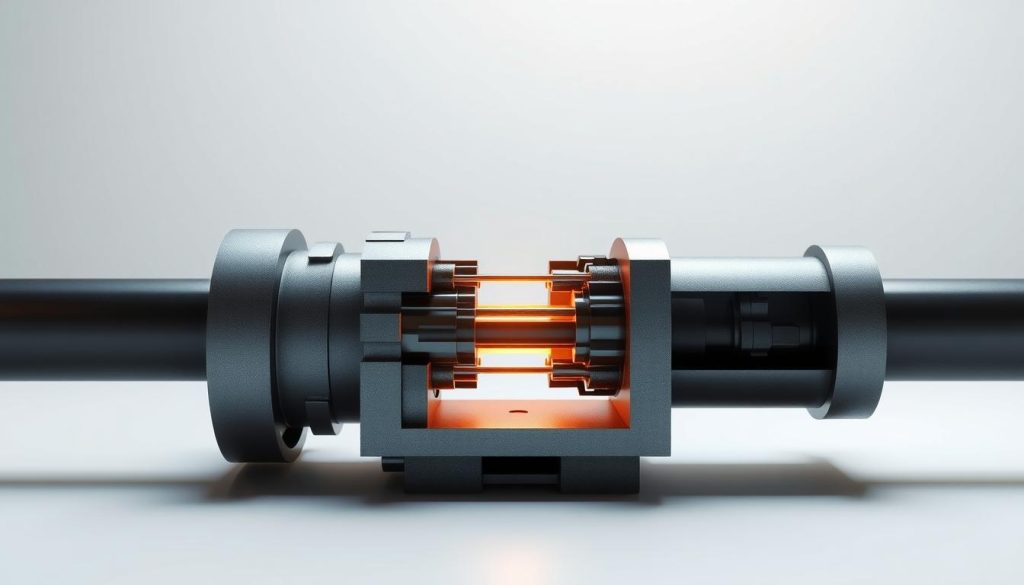
A solid foundation is everything. In the world of metalwork, the way you prepare a connection before you even strike an arc is that foundation. It determines the strength, safety, and lifespan of your final product. Have you ever faced a weld that cracked under pressure or didn’t hold up as expected? The root cause often lies in the initial preparation.
This guide is your practical roadmap to building better connections in the welding process. We will break down the core principles and techniques that lead to superior results. You will learn how small, smart changes in preparation can prevent big problems later, highlighting the role of the right welding techniques and material selection. These ideas apply whether you are building a skyscraper, repairing a car, or creating a custom metal sculpture.
Our goal is to give you clear, actionable steps. We will move past complex theory and focus on what you can do right now to improve your work. By understanding the relationship between preparation and performance, you gain control over the final quality of your projects.
Key Takeaways
- Proper preparation is the most critical factor for a weld’s strength and durability.
- Small adjustments in how a connection is set up can prevent major failures.
- The right approach saves valuable time, materials, and effort on every job.
- These principles are universal, benefiting professionals in construction, automotive, and fabrication.
- This guide provides a straightforward, step-by-step plan for immediate improvement.
Introduction to Welding Joint Design Optimization
In the world of metal joining, every connection tells a story about its preparation. The way pieces come together determines how they’ll handle stress, weather, and time. Have you ever seen a weld that lasted decades while another failed quickly? The secret lies in thoughtful planning from the very start.
Understanding Welding Joint Challenges
Each connection faces unique tests. Some must bear heavy loads. Others endure extreme temperatures or constant vibration. These challenges require specific solutions.
Common issues like porosity create tiny holes that weaken the bond. Lack of fusion happens when materials don’t properly connect. Both problems stem from improper setup or execution. Recognizing these potential pitfalls is the first step toward prevention.
Importance of Structural Integrity in Manufacturing
In manufacturing, the strength of each joint matters tremendously. When components join through welding, that connection becomes the critical link. It must handle tension, compression, and various forces.
Structural integrity ensures safety and reliability across the industry. Buildings, bridges, and machinery depend on sound connections. Proper quality control during the process maintains this essential integrity.
Fundamentals of Arc Welding Processes
Have you ever wondered why some welders prefer one method over another when working with different materials or in various conditions? The answer lies in understanding the core arc welding processes available. Each approach has unique characteristics that make it better suited for specific situations.
Overview of Welding Techniques
MIG welding is a popular choice for many projects. This method uses a continuous wire feed and shielding gas to create clean, strong connections. It’s commonly used because it works well with various materials and offers good speed.
TIG welding provides exceptional control for precision work. The non-consumable tungsten electrode allows for delicate handling of thin materials. This technique shines when you need high-quality results on critical joints.
Stick welding remains a reliable option for challenging environments. Its simplicity and portability make it ideal for outdoor work or remote locations. The coated electrode handles different conditions effectively.
Key Terms and Definitions
Understanding basic terminology helps you communicate clearly about your work. The arc length refers to the distance between the electrode and workpiece. Proper control here affects weld quality significantly.
Penetration describes how deep the weld reaches into the base materials. Good penetration ensures a strong bond. The heat-affected zone is the area around the weld that experiences temperature changes.
Each welding process has distinct properties that influence your results. Knowing these fundamentals helps you choose the right approach for your specific needs and materials.
Techniques for Optimizing Arc Welding Joint Designs
What if you could systematically improve your welds without endless trial and error? This approach saves time and reduces material waste. It turns guesswork into reliable, repeatable success.
Step-by-Step Optimization Process
Start by documenting your current settings. Write down voltage, current, and travel speed. Note electrode angles and material preparation.
Next, define what “optimal” means for your project. Is it maximum strength? Minimum distortion? Fastest production time? Clear goals guide your testing.
Utilizing the Taguchi Method for Parameter Refinement
The Taguchi method offers a smart testing approach. It helps you test multiple factors simultaneously. This saves resources while providing reliable data.
This system uses orthogonal arrays to organize tests efficiently. You’ll identify which parameters truly impact your weld quality. Signal-to-noise ratios show what works consistently.
Analysis of variance (ANOVA) techniques pinpoint critical factors. You learn which settings need precise control. The method reduces performance variation even with external changes.
| Welding Parameter | Optimization Factor | Impact Level | Recommended Testing Range |
|---|---|---|---|
| Current Setting | Penetration Depth | High | ±15% from baseline |
| Voltage Level | Arc Stability | Medium | ±10% from baseline |
| Travel Speed | Deposition Rate | High | ±20% from baseline |
| Electrode Angle | Bead Profile | Medium | 15-45 degrees |
This data-driven approach replaces guesswork with certainty. You achieve consistent, high-quality results across all your projects.
Essential Welding Techniques and Best Practices
The tools you choose before the spark flies can make or break your final product. Good habits ensure your work is strong, safe, and looks professional. Let’s look at the key steps that lead to success.
Proper Electrode and Filler Metal Selection
Picking the right welding electrode isn’t a guessing game. It’s about matching the filler material to the base metal’s composition and strength requirements. Think of it like a puzzle piece; it needs to fit perfectly.
Using the appropriate welding consumables creates welds that are as strong as the original parts. This careful selection prevents weak spots and ensures the connection has the right characteristics for the job.
Controlling Heat Input and Preventing Distortion
Why does metal sometimes warp after you’re done? The answer is often control of heat input. Too much heat causes distortion and weakens the area around the welds.
Smart welders manage this by keeping a steady travel speed and a consistent arc length. This creates a uniform bead that looks clean and performs reliably. It’s one of the most important welding techniques to master.
Planning your sequence also helps. By spreading the heat evenly across the joint, you can significantly reduce warping. For some materials, pre-heating is a smart step to prevent stress.
| Practice | Primary Goal | Key Parameter | Common Benefit |
|---|---|---|---|
| Electrode Selection | Match Base Metal | Filler Composition | Joint Strength |
| Heat Management | Prevent Warping | Travel Speed | Dimensional Accuracy |
| Sequence Planning | Balance Stress | Weld Order | Reduced Distortion |
| PPE Usage | Operator Safety | Helmet, Gloves | Injury Prevention |
Never forget safety. Proper gear and ventilation are non-negotiable. They protect you and lead to better results. Following these core welding techniques builds a foundation for excellent work on every project.
Impact of Welding Parameters on Joint Quality
Have you ever adjusted your machine settings and watched the results change dramatically? The dials on your equipment aren’t just numbers. They are the control center for your final product’s quality. Getting them right makes all the difference.
Role of Welding Current, Voltage, and Travel Speed
Think of your welding current as the power button. It determines the heat input. More power means deeper penetration and a faster speed. But push it too far, and you’ll get spatter and distortion.
Voltage plays a different role. It controls the arc’s length and how heat spreads. A longer arc can help, but it can also become unstable. This instability hurts the weld bead’s shape.
Your travel speed is the third key player. Move too slow, and you overheat the metal. Go too fast, and the weld won’t fuse properly. Finding the perfect pace is crucial for a strong connection.
Calibration and Maintenance of Welding Machines
Is your equipment telling you the truth? Regular calibration ensures your machine’s settings are accurate. This is vital for a consistent welding process.
Good maintenance isn’t just about fixing problems. It’s about preventing them. A well-kept machine runs smoothly. This leads to better quality welds, higher efficiency, and greater productivity on every job. Your tools deserve this care.
Overcoming Common Welding Challenges
Even the most experienced welders encounter problems that test their skills and patience. These challenges can appear at any time, turning a perfect project into a frustrating puzzle. How do you spot trouble before it becomes a major issue?
Identifying and Troubleshooting Defects
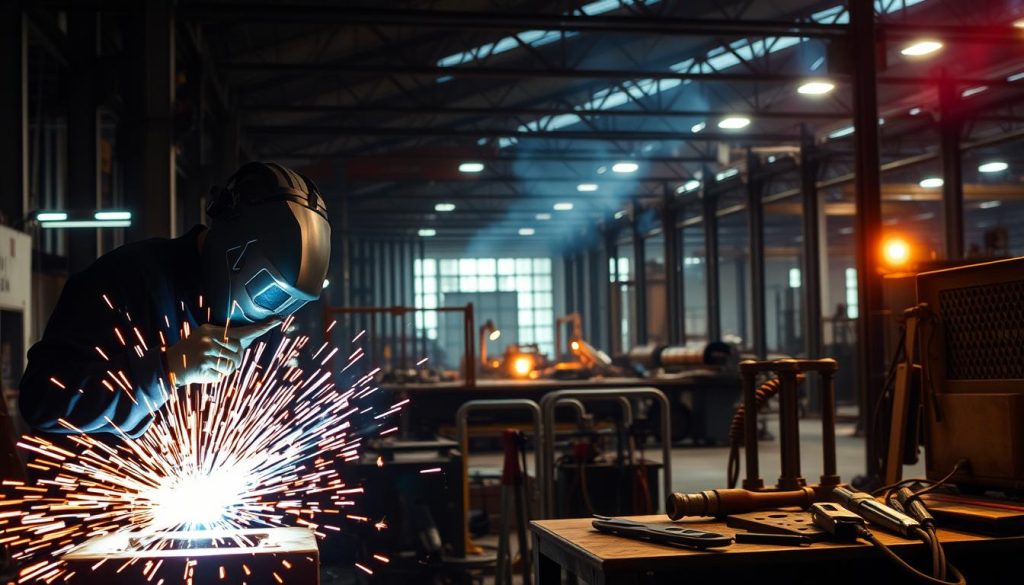
Catching welding defects early saves time and money. Small issues found during production are much easier to fix than failures that happen later. Have you ever seen tiny holes in your weld?
Porosity creates these voids when gas gets trapped before solidification. This seriously weakens the joint’s strength. Cracking is even more dangerous because it can spread over time.
Strategies to Minimize Porosity and Cracking
What causes these frustrating issues? Dirty base material, poor gas coverage, or moist electrodes are common factors. Smart welders check these things first.
Practical solutions often involve adjusting your speed and machine settings. Proper technique creates welds with good fusion and minimal spatter. These solutions ensure your connections have the strength they need.
A systematic approach works best. Examine your method, verify equipment settings, and ensure clean materials. This troubleshooting process turns challenges into learning opportunities for better welding results.
Advanced Methods and Process Innovations in Arc Welding
What if your welding machine could think for itself, adjusting settings in real-time to create the perfect bead every single time? This is the power of modern innovation. The industry is moving beyond manual adjustments toward smarter, more reliable systems.
These new tools are changing how we approach fabrication. They bring a new level of precision to everyday work.
Implementing Modern Process Controls
Modern controls give you live feedback. You can see exactly what’s happening during the welding process. This allows for instant corrections.
Isn’t that a game-changer? Instead of finding flaws later, you prevent them as they happen. This leads to more consistent products and less wasted material.
Integrating Digital Solutions in Welding Operations
Digital systems collect data on every project. This information provides valuable insights. You learn what works best for different welding techniques.
Some systems even combine methods, like laser and traditional welding. This hybrid approach uses the strengths of each process. It improves the ability to handle complex arc welding joint designs.
Insights from Industry Research and Web Sources
Recent industry insights highlight the importance of heat management. Research into parameter optimization shows how critical input control is for strong, multi-pass welds.
Working with tricky materials like titanium alloys demands appropriate welding methods. Using the right specialized equipment is essential for success with these advanced alloys.
Techniques for Optimizing Arc Welding Joint Designs
| Advanced Method | Key Benefit | Best For Materials | Automation Level |
|---|---|---|---|
| Real-Time Monitoring | Instant Defect Prevention | All Types | High |
| Laser-Hybrid Welding | Deep Penetration & Precision | High-Strength Alloys | Medium |
| Data-Driven Welding Techniques | Continuous Improvement | Complex Welding Projects | Variable |
These innovations make high-quality results more achievable than ever. They are powerful tools for any serious fabricator.
Expert Resources and Contact Information
When technical knowledge meets real-world experience, that’s when welding excellence truly happens. Sometimes you need hands-on help from professionals who understand both the theory and the practical challenges.
Expert Insights from Xpress Mobile Welding Phoenix
Our team brings expert welding services directly to your location. We serve Gilbert, Arizona and surrounding areas with mobile convenience.
Our professional welders have extensive experience with residential, commercial, and industrial components. We understand the specific requirements of different applications across the industry.
Visit Us at 922 N Colorado St, Gilbert, AZ 85233
You’re always welcome at our location: 922 N Colorado St, Gilbert, AZ 85233. We love discussing challenging projects and exploring solutions together.
Whether you need emergency repairs, custom fabrication, or process consultation, we provide personalized guidance. Every project deserves a customized approach.
Call (623) 263-0277 for Personalized Guidance
Speak directly with our experienced team at (623) 263-0277. We apply the principles covered in this guide to your specific situation.
Clear communication and reliable service are our priorities. We deliver results that meet or exceed standards on every work project. Your understanding of our approach ensures successful outcomes.
Conclusion
What separates average work from outstanding craftsmanship often comes down to attention to detail in preparation. The quality of your final product reflects every choice made along the way.
Mastering these welding techniques isn’t a one-time achievement. It’s an ongoing journey of testing, learning, and refining your approach. Your ability to adapt to different materials and project requirements will determine your success.
Remember that proper joint preparation impacts everything from strength to productivity. The integrity of your connections ensures long-term performance and safety. These principles apply whether you’re working on simple components or complex manufacturing projects.
Keep practicing, stay curious about new methods, and don’t hesitate to seek guidance when needed. Your commitment to continuous improvement will yield exceptional results at every level of your work.
FAQ
What is the main goal of optimizing a welding joint design?
The main goal is to achieve maximum strength and structural integrity. A good design ensures the weld can handle the required load. It also improves the overall quality and durability of the final product.
How does the choice of welding process affect my joint design?
Different processes like MIG, TIG, and Stick welding have unique characteristics. Your choice impacts heat input, penetration, and distortion control. Selecting the right method is crucial for a successful outcome and manufacturing efficiency.
What are some common defects I might encounter, and how can I prevent them?
Common issues include porosity, cracking, and distortion. You can prevent these by controlling heat input, using the correct filler metal, and following proper techniques. Good preparation and machine calibration are key factors for defect-free welds.
Why is heat input control so important during the welding process?
Controlling heat is vital for preserving the material’s properties. Too much heat can weaken the metal and cause warping. Proper management leads to stronger welds and better productivity.
Can modern technology help improve my welding results?
Absolutely. Digital solutions and advanced process controls offer greater precision. These innovations help welders maintain consistency, troubleshoot problems faster, and achieve higher quality work.
Where can I get personalized advice for my specific welding project?
For expert guidance, contact the professionals at Xpress Mobile Welding Phoenix. You can visit them at 922 N Colorado St, Gilbert, AZ 85233 or call (623) 263-0277. They provide insights tailored to your project’s requirements.