
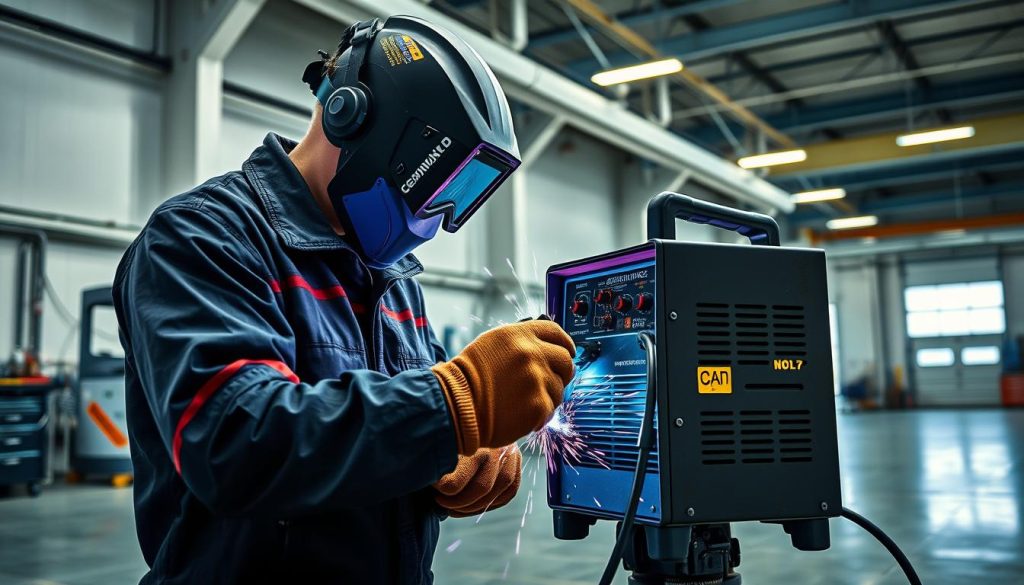
Ever wonder why some welds last decades while others fail quickly? The secret starts before the sparks fly. Proper preparation prevents poor performance – especially in the welding process of arc welding.
New welding tools arrive every year, but safety requirements remain timeless. Did you know 25% of workshop accidents happen during setup? That’s why smart welders treat their workspace like a surgeon’s table – clean, organized, and double-checked.
Your welding equipment tells stories. Frayed cables whisper “fire risk.” Dirty connectors shout “weak joints.” Modern machines have more safety features than ever, but only if you understand them. When was the last time you read your welder’s manual cover-to-cover? Understanding the types of welding and the specific requirements for each can greatly enhance safety.
Air quality matters too. That faint smell during aluminum welding? It could mean dangerous gases and fumes. Proper ventilation isn’t just comfort – it’s life protection. We’ll show you how to spot risks invisible to untrained eyes during visual inspections.
Part of a thorough pre-weld inspection includes ensuring proper ventilation and safety measures for arc welding, which helps protect both the welder and the work environment from harmful fumes and potential hazards.
Key Takeaways
- Initial checks prevent 80% of common welding defects
- Equipment familiarity reduces accident risks by 40%
- Material inspection avoids costly rework
- Environmental scans protect against hidden dangers
- Systematic approaches ensure consistent quality results
Ready to transform your welding routine? Let’s build unbreakable habits that protect your team and reputation. The next pages contain field-tested methods from 30-year veterans – no textbook fluff, just real-world wisdom.
Fundamentals of Welding Safety and Inspection
What separates a safe welding job from a dangerous one? It starts with knowing your environment. A clean welding area matters as much as skill – sparks can travel 35 feet, turning nearby paper or wood into instant fuel. Always scan your welding area for flammables before striking an arc.
Identifying Common Welding Hazards
Three main dangers lurk in every welding project. Electrical shocks strike fast in damp conditions – even sweaty gloves increase risk. Arc flashes burn eyes quicker than you can blink, while invisible fumes from metals like zinc can poison lungs over time.
| Hazard Type | Immediate Risk | Prevention Method |
|---|---|---|
| Electrical Current | Shock/Electrocution | Dry gloves, Grounded tools |
| UV Radiation | Eye & Skin Damage | Auto-darkening helmets |
| Toxic Fumes | Respiratory Issues | Ventilation systems |
The Role of Personal Protective Equipment (PPE)
Your gear is your shield. Modern helmets do more than block light – they filter air and stop debris. Leather aprons aren’t just hot; they’re lifesavers when molten metal spatters. For complete fire prevention strategies, pair PPE with smart workspace habits.
Remember: Safety equipment works best when maintained. Cracked lens? Replace it. Torn gloves? Toss them. Your protection depends on gear condition as much as proper use.
Conducting Pre-weld Inspections and Checks for Arc Welding
What makes the difference between a flawless weld and a dangerous mishap? It’s not just skill—it’s what happens before you even turn on the machine. Thorough equipment reviews and workspace assessments catch problems most people miss. Let’s break down these critical steps.
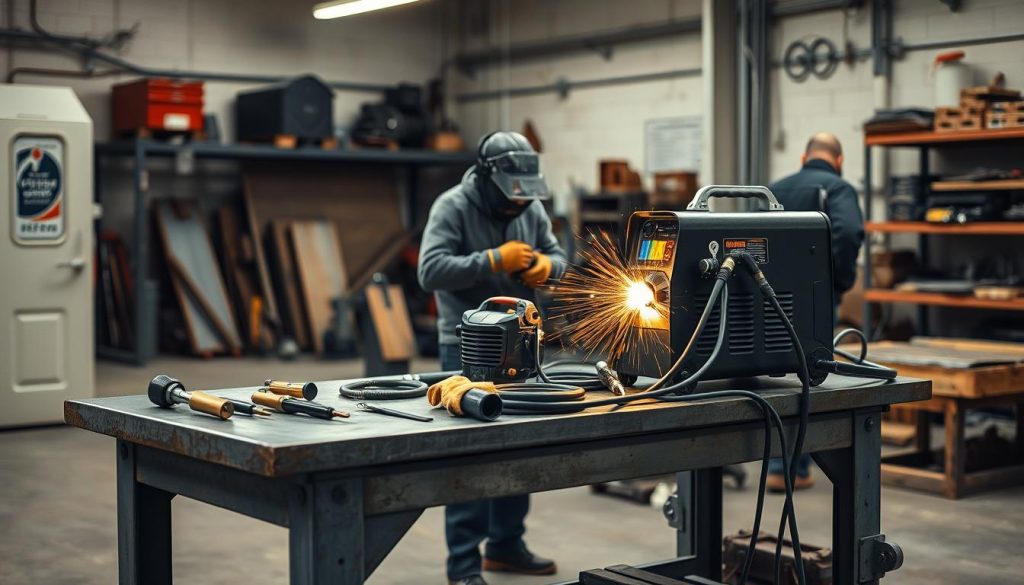
Importance of Advanced Equipment Checks
Modern welding equipment demands more than a once-over. Did you know a loose ground clamp can ruin an entire project?
One of the most important preparation steps for arc welding is conducting thorough pre-weld inspections, ensuring all materials, tools, and safety measures are in place before starting the job.
Here’s what pros check every time during their welding operations:
- Cable integrity: Frayed wires hide under insulation—twist cables to spot hidden damage that could affect the welding process
- Power calibration: Machines drift over time. Use a multimeter monthly to ensure accurate heat settings
- Connection points: Tighten all terminals. A buzzing sound means trouble and could indicate defects in the electrical system
One welder I know found melted insulation during a routine visual inspection. That discovery prevented a workshop fire. How’s that for a “wasted” 10 minutes?
Ensuring a Safe Welding Environment
Your welding area needs as much attention as your tools. Ever seen sparks ignite dust three workbenches away? Follow these rules to maintain safety:
- Clear 35 feet of flammables—yes, even that rag pile matters
- Test ventilation airflow with smoke pellets. If it lingers, upgrade your system to reduce harmful gases
- Check floor conditions. Oil slicks turn into instant skating rinks and can cause accidents during welding operations
Last summer, a team avoided disaster by relocating their workstation away from a hidden gas line. Smart moves like this keep crews safe and projects on track.
Critical Welding Procedure Specifications and Industry Standards
How do top welders ensure their work meets strict industry demands? It’s not magic—it’s about mastering the rulebooks. Think of welding procedure specifications (WPS) as recipe cards for perfect joints. Get them right, and your welds pass every test, ensuring quality and safety.
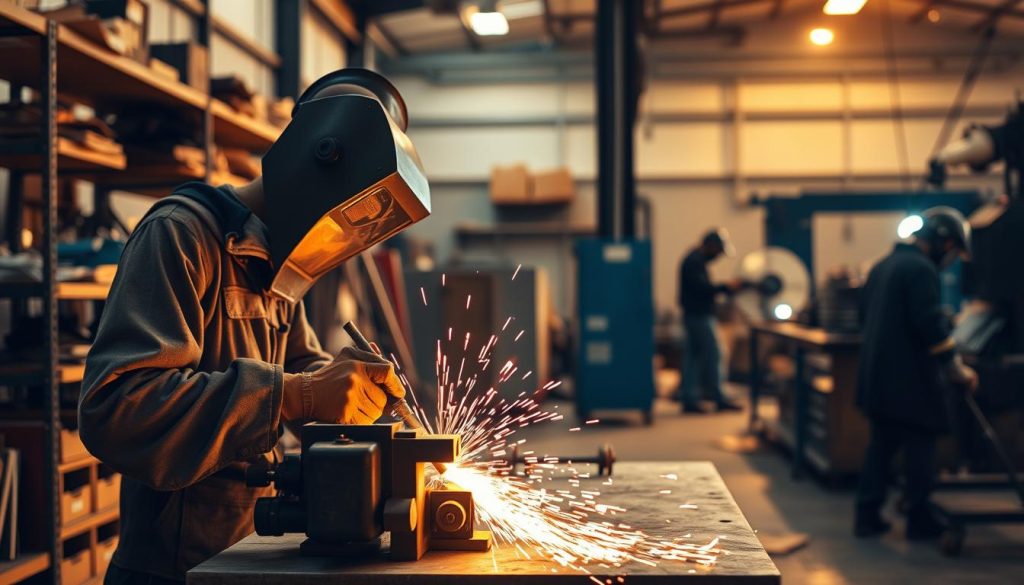
Understanding AWS, ASME, and API Guidelines
Each industry plays by different rules. Structural steel shops swear by AWS D1.1 standards—it’s their bible for joint prep and inspection criteria. But switch to pipeline work? API 1104 takes over, demanding tighter root passes and specialized NDT methods to ensure quality in the welding process.
Here’s a quick cheat sheet for three big players in the welding inspection field:
| Standard | Application Focus | Key Requirements | Qualification Approach |
|---|---|---|---|
| AWS D1.1 | Structural Steel | Joint design, electrode selection | Pre-qualified procedures |
| ASME IX | Pressure Systems | Procedure/welder testing | Performance demonstrations |
| API 1104 | Pipelines | Root bead integrity | Destructive testing |
Ever seen a perfect weld fail inspection? It happens when teams mix up standards. A power plant project might need ASME Section IX approvals, while bridge work requires AWS specs. Always confirm exactly which code applies before striking an arc in the welding process.
Smart shops keep their welding procedure specifications updated. One team I know avoided $15k in rework by catching a code change affecting their WPS. Their secret? Monthly standards reviews and coffee-stained code books at every workstation to help detect internal defects.
Visual and Dimensional Inspection Techniques
A welder’s eyes are their first line of defense against hidden dangers. Sharp visual checks catch problems that machines might miss, making visual inspection critical. Think of it like proofreading – even small errors can lead to big failures down the line.
Spotting Surface Defects and Discontinuities
Surface flaws tell stories. That tiny crack? It whispers about uneven heating. Porosity bubbles? They shout about gas contamination. Use bright lights – I prefer 500-lumen flashlights – to reveal what shadows hide and help detect internal issues.
Look for these red flags:
- Spiderweb cracks: Often signal hydrogen embrittlement
- Crater holes: Show incomplete fusion at weld ends
- Uneven ripples: Suggest inconsistent travel speed
Measuring Weld Bead Dimensions Accurately
Size matters more than you think. A bead that’s too thin won’t hold weight. Too thick? You’re wasting materials. Keep a calibrated gauge in your pocket – it’s faster than digital tools when sparks fly.
Conducting Pre-weld Inspections and Checks for Arc Welding
Measure three key areas:
- Throat thickness: Critical for load-bearing capacity
- Leg length: Affects joint strength in fillet welds
- Reinforcement height: Impacts fatigue resistance
Modern advances in inspection technology help, but trust your eyes first. Document every measurement – that paper trail saved my team during a bridge project audit last fall. What stories will your welds tell inspectors?
Detailed Steps in Preparing for a Successful Inspection
Successful welding inspections don’t happen by accident—they’re built layer by layer. Like baking a perfect cake, every step matters. Missing one ingredient? The whole batch might fail.
A crucial part of assessing the work area for arc welding is ensuring that all equipment is in good condition and potential hazards are addressed before beginning any pre-weld inspections and checks.
Setting the Stage Right
Ever forgotten your phone charger? That’s how inspections feel without proper setup. Start with document checks—expired WPS forms sink projects faster than a leaky boat. Keep material certificates handy like concert tickets. Traceability isn’t just paperwork—it’s your quality insurance policy.
Clean Work, Clear Results
Post-weld cleaning works like brushing teeth—skip it, and problems emerge. Grind off spatter carefully. That stubborn slag? It hides cracks like fog hides mountains. Use wire brushes, but avoid scratching the base metal. Clean surfaces reveal truth about defects.
Seeing the Unseen
Modern testing methods act like X-ray vision. Ultrasonic devices ping metals like sonar—echoes map hidden flaws in the metal. Radiographic tests capture weld selfies showing buried dangers. Pair these with skilled eyes for full coverage of the welding process.
Time your checks like a chef times courses. Do visual exams while the base metal’s still warm—defects show clearer. Save UT/RT for final verification. Document everything—your notes could save the day during audits. What story will your inspection records tell about the types of welding used?
Leveraging Local Expertise and Best Practices
Ever wonder why some shops produce flawless welds year after year? Their secret often lives down the street. Local knowledge transforms good welding operations into great ones. Think of regional experts as your neighborhood watch for quality and safety.
Material Masters in Your Backyard
Your local supplier does more than sell rods and gases. They know which materials handle Midwest winters or coastal humidity. Last spring, a Texas team avoided cracked joints by switching to moisture-resistant electrodes advised by their distributor. Smart move!
Trusted partners stock premium consumables that meet strict standards. Need E7018 rods by Friday? They’ve got you covered. Proper storage tips come free with purchase – like learning how to bake bread from a baker.
Code Whisperers Know Your Region
Building requirements change faster than traffic lights. Local inspectors spot issues outsiders miss. A Chicago crew once redesigned their joint prep after learning about new wind load standards – saved three weeks of rework.
Regional experts speak the language of your area certifiers. They’ll warn you about unique fire codes or ventilation requirements before you blueprint your shop layout. Why gamble when experience sits two towns over?
Great welders build two things: strong joints and stronger relationships. Your next perfect bead might start with a handshake at the local supply house. What hidden advantages is your neighborhood hiding?
FAQ
What tools are needed for pre-weld inspections?
You’ll need calipers, weld gauges, cleaning brushes, and a flashlight. For detecting internal defects in various types of welding, ultrasonic testing equipment or X-ray tools are essential. Always verify tools meet AWS or ASME standards before starting.
How do I check if my welding machine is safe?
Inspect cables for fraying, test ground clamps for secure connections, and ensure voltage settings match the welding procedure specifications (WPS). Brands like Lincoln Electric or Miller Electric often provide safety checklists for their equipment and the materials used in welding.
Why is travel speed important in arc welding?
Moving too fast causes incomplete fusion, while slow speeds create excess heat and warping. Practice with scrap metal to find the right pace. Ever noticed uneven beads? That’s often a travel speed issue related to the quality of the welds.
What PPE is required for welding inspections?
Wear flame-resistant gloves, auto-darkening helmets (like 3M Speedglas), and safety glasses. For confined spaces, use respirators approved by OSHA. Protect your skin—sparks can burn through regular clothing during the welding process.
How do AWS standards affect weld quality?
AWS D1.1 outlines requirements for joint design, filler metals, and testing methods. Following these rules ensures welds hold up under stress. Skipping steps? That’s how cracks and porosity sneak in, affecting the overall quality of the welds.
Can visual inspection catch all welding defects?
No. Surface cracks or undercut might be visible, but slag inclusions or lack of fusion often hide deeper. Pair visual checks with dye penetrant testing or magnetic particle inspection for thorough results in your inspection procedures.
When should I replace shielding gases?
Check gas levels before each job. Argon or CO2 tanks below 200 psi risk contamination. Use a flowmeter to confirm 20-30 CFH—low flow causes porosity, while high flow wastes money.
How do local codes impact welding projects?
Regions like California or Texas may have stricter air quality or safety rules. Partner with local suppliers like Airgas or Praxair—they know area-specific codes and can recommend compliant materials for various types of welding.
What’s the first step in post-weld cleaning?
Remove slag with a chipping hammer, then brush the weld bead. For stainless steel, use a dedicated wire brush to avoid cross-contamination. Clean surfaces make defects easier to spot during final inspections.
Why document every inspection step?
Records prove compliance if audits occur. Note weld parameters, materials used, and any defects found. Digital tools like ProNovus or WeldWatch help track data—think of it as a quality insurance policy.