
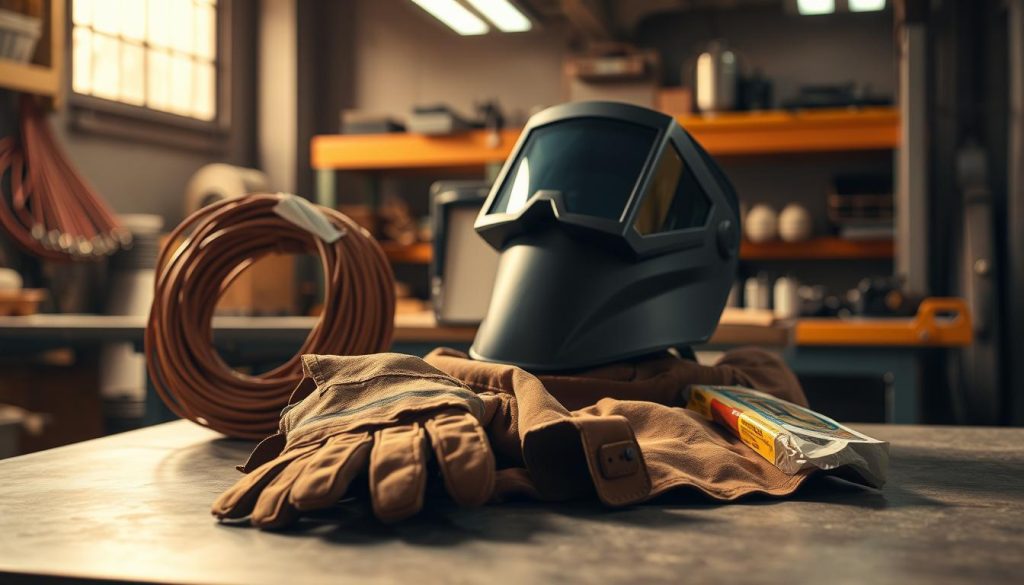
Working with a welding torch is serious business. The intense heat and bright light are just part of the job. But have you ever stopped to think about what happens to everything around your work area?
Arc welding creates temperatures hot enough to melt steel. Sparks and molten metal can fly several feet. These bits are incredibly hot. They can easily ignite common workshop items like paper, wood, or fuel.
This is why choosing the right protective gear is so important. It’s not just about the helmet and gloves you wear. It’s about safeguarding your entire space. The correct choices can prevent a small spark from turning into a big problem.
This guide will walk you through the essentials. We’ll look at everything from protective blankets to specialized clothing. Our goal is to give you clear, practical knowledge. Whether you’re new to the craft or a seasoned pro, understanding these safety basics is crucial.
Key Takeaways
- Welding produces extreme heat and sparks that pose a significant fire risk.
- Protecting the entire workspace is just as important as personal safety gear.
- Specialized protective items are designed to withstand unique welding hazards.
- Using the right safety equipment can prevent accidents and protect property.
- This guide provides straightforward advice for both hobbyists and professionals.
Introduction to Safer Welding Environments
Safety in welding isn’t just about the gear you wear; it’s about building a protective bubble around your entire work zone. This mindset is the first and most important tool in your kit. Why? Because even with perfect technique, accidents can happen in a flash.
Think about the hazards present every time you weld. Flying sparks, droplets of molten metal, and intense heat are a constant reality. These elements can easily ignite common materials, turning a small mishap into a major incident.
Quality protective equipment acts as a vital barrier. It shields both you and your property from these dangers. This is why so many professions depend on this specialized gear.
Understanding the Importance of Safety
Making safety your top priority is essential, whether you’re in a professional shop or a home garage. It’s the foundation of all good work. Investing in proper protection isn’t an expense; it’s insurance against catastrophic loss.
What would happen if a single spark landed in the wrong place? The answer highlights why protection matters so much.
The Role of Quality Materials in Protection
Good safety practices and quality materials work together. They create truly safer spaces for everyone involved. From industrial sites to construction zones, the right equipment is a common need.
| Profession | Primary Hazard | Key Protective Equipment |
|---|---|---|
| Industrial Workers | Sparks & Molten Spatter | Blankets, Aprons |
| Electrical Workers | Arc Flash | FR Clothing, Face Shields |
| Construction Workers | Flying Debris & Heat | Helmets, Gloves |
| Oil Rig Workers | Flammable Atmospheres | Specialized FR Gear |
As the table shows, different jobs face similar risks. They all rely on high-quality gear for essential protection. Choosing the right equipment is a critical step for any task.
Fire-Resistant Materials For Arc Welding Environments: Key Considerations
Choosing the right gear is one of the most important decisions you’ll make for your safety. But what should you look for? Not all protective items are created equal. Understanding the difference can save you from a close call.
First, let’s clear up a common confusion. Some gear is simply heat-tolerant. It can handle a little warmth. Truly resistant gear, however, is designed to stop a flame from spreading or catching. It’s the difference between a shirt that gets warm and one that won’t burn. In a field where molten metal flies, that distinction is everything.
You need to think about a few key things. How much protection does the item offer? Is it comfortable to wear for a full day’s work? Will it last through many projects? Always check that it meets official safety standards.
Your work area matters, too. A small, indoor shop has different needs than a windy outdoor construction site. Heavier materials often provide better resistance, but they can be tiring to move in. You have to find a balance.
A single droplet of spatter is incredibly hot. It can burn through the wrong materials almost instantly. Your gear must withstand both quick sparks and longer exposure to heat.
The best choice depends entirely on your specific job. How often do you weld? What type of metal are you working with? Answering these questions guides you to the perfect gear. Finally, never skip checking for safety certifications. That little label is your guarantee of real protection.
Benefits of Using Fire-Resistant Materials in Welding
Beyond the immediate protection they provide, fire-resistant materials offer benefits that impact your entire operation. These advantages make them a smart investment for any serious workshop.
The right gear creates a safer environment where everyone can work with confidence. This peace of mind is priceless when dealing with intense heat and sparks.
Enhanced Safety and Reduced Fire Hazards
Quality protective equipment dramatically lowers fire risks. Sparks and molten metal simply won’t ignite these specialized materials.
This level of safety protects more than just people. Your expensive tools, inventory, and facility stay secure from potential flames.
Workers can focus better when they’re not worrying about hazards. This leads to higher quality results and less stress for everyone involved.
Long-Term Durability and Cost Savings
Good protective gear lasts through years of use. The initial cost spreads out over countless projects, making it very economical.
Preventing just one fire incident pays for the equipment many times over. Insurance companies often reward operations with proper fire protection measures.
The durability means you won’t need frequent replacements. This makes quality fire-resistant clothing and blankets a wise long-term choice for any welding environment.
Comparing Flame-Resistant and Flame-Retardant Technologies
Understanding the difference between flame-resistant and flame-retardant can save you from making a costly mistake. These terms describe two very different approaches to safety.
Inherent Resistance vs. Chemical Treatments
Flame-resistant materials have protection built right into their fibers. The fabric itself resists catching fire. This inherent quality doesn’t wash out or wear off.
Flame-retardant items get their protection from special chemicals applied to the surface. These treatments slow down how quickly flames spread. But they can lose effectiveness over time.
The key advantage of inherent resistance is longevity. These properties remain reliable through many washes and years of use.
Application Differences in Welding Settings
For daily welding work, inherent resistance often makes more sense. You need gear that can handle constant exposure to sparks and heat.
Treated fabric might work well for occasional use. But remember that chemical protection can diminish. Regular inspection becomes crucial.
Knowing which technology you’re buying helps with maintenance planning. Both have their place, but your specific needs should guide your choice.
Selecting the Right Welding Gear and Equipment
Your welding machine is only half the story when it comes to staying safe. The other half? Your personal protective equipment. This gear protects you from sparks, heat, and potential accidents.
Every welder needs several essential tools beyond the welding unit itself. Heavy-duty gloves protect your hands while allowing precise movement. Face shields guard your eyes and skin from bright light and spatter.
Fire-resistant jackets and protective blankets complete your safety setup. These items create a barrier between you and workplace hazards. Proper fire prevention starts with the right equipment selection.
Essential Tools for the Modern Welder
Trusted brands offer reliable options for different needs and budgets. Revco and Black Stallion provide affordable quality gear that performs well. Miller Electric focuses on premium durability and comfort in their designs.
Lincoln Electric delivers excellent value with products like their XVI series jackets. These combine quality protection with appealing aesthetics. The right choice depends on your specific welding type and frequency.
Gloves must balance heat protection with dexterity. You need enough feel to handle electrodes and tools precisely. Would you rather invest in proper tools now or risk injury later?
Modern welding gear has improved dramatically in both protection and comfort. Buying quality equipment once is smarter than replacing cheap gear repeatedly. Complete protection means covering all bases from head to workspace.
Exploring Materials and Coatings Used in Welding Blankets
The secret to a reliable welding blanket lies in the specific materials and coatings used in its construction. Each type offers different levels of protection and suits various working conditions. Understanding these differences helps you choose the right blanket for your specific needs.
Material Properties: Fiberglass, Silica, and More
Fiberglass is one of the most common choices for these protective covers. It provides excellent heat resistance but can irritate skin unless coated. Many manufacturers add silicone or plastic coatings to make it safer to handle.
Silica fabric offers superior performance with minimal heat shrinkage. It’s generally safer than fiberglass but comes at a higher cost. This makes it popular in industrial settings where maximum protection matters.
Carbon felt handles extreme temperatures up to 1,800 degrees Fahrenheit. It’s safe for direct skin contact and easy to cut for custom fits. However, its durability limitations mean it needs more frequent replacement.
Ceramic materials provide the highest heat resistance available. They’re lightweight and completely safe for users. The complex manufacturing process makes them expensive, limiting their use to heavy industrial applications.
Impact of External Coatings on Performance
The right coating can dramatically improve a blanket’s protective properties. Silicide coatings enhance heat resistance while making the fabric more flexible. Neoprene adds durability against chemicals and abrasion.
Some coatings work better for horizontal surfaces, while others suit vertical curtains. Graphite coatings excel in high-temperature environments. The coating choice affects how the blanket performs in different welding scenarios.
Matching the right materials and coatings to your specific tasks ensures optimal protection. Consider the temperatures you’ll encounter and how you’ll use the blanket. This knowledge helps you invest in protection that truly meets your needs.
Welding Blanket Categories and Their Applications
Welding blankets are not one-size-fits-all; they come in a range of categories designed for specific tasks. Choosing the right one is like picking the right tool for the job. It ensures you get the protection you need without paying for features you won’t use.
Your choice depends on the heat intensity, how long you’ll use it, and your workspace setup. Let’s break down the main options available.
Light-Duty to Industrial Options
Light-duty blankets are perfect for quick jobs. They protect against low-temperature spatter. Think of draping one over a toolbox or hanging it as a temporary curtain.
These products are not built for heavy or prolonged use. They are often disposable after a few applications.
Medium-duty options step up the protection. They are typically fiberglass with a graphite coating. This helps them resist temperatures up to 1,000 degrees Fahrenheit.
They work well as vertical curtains for general workshop use. They handle typical sparks and heat exposure effectively.
Heavy-duty blankets are much more robust. They are often made with vermiculite or silica fabrics. This construction allows them to withstand temperatures up to 1,800 degrees.
They are durable enough for horizontal floor use. They can handle heavy spatter and molten metal droplets.
Industrial-grade blankets are the top of the line. They offer maximum protection and long-term durability. In manufacturing facilities, where replacement downtime is costly, these are essential.
Finally, special-use blankets serve unique purposes. Some are very soft to prevent scratching polished surfaces. Others are highly insulative to control how slowly a project cools.
| Blanket Category | Max Temperature | Best For | Durability |
|---|---|---|---|
| Light-Duty | Low heat | Temporary cover, draping | Short-term |
| Medium-Duty | Up to 1,000°F | Vertical curtains, general use | Good |
| Heavy-Duty | Up to 1,800°F | Floor protection, prolonged use | Excellent |
| Industrial | Very High | Demanding industrial applications | Long-term |
| Special-Use | Varies | Specific tasks (e.g., non-scratch) | Varies |
For example, Lincoln Electric offers a blanket rated for 550°C (about 1,022°F) and another for 1,100°C (about 2,012°F). This shows the range available for different needs. Matching the category to your work prevents under-protection and avoids overspending.
Practical Tips for Care and Maintenance of Welding Blankets
Just like any important tool, your protective blankets require regular attention to perform their best. Proper care extends their life significantly, maximizing your investment in safety equipment. Think about it—would you trust a tool that’s been neglected?
Regular cleaning keeps your blankets ready for action. Brush away dirt and debris after each use. Vacuum periodically to remove embedded particles that could weaken the material over time.
Cleaning and Storage Guidelines
Inspection should become part of your routine. Before each use, check for rips, tears, or holes. Look for loose threads or fraying that can lead to further damage. Spotting problems early prevents bigger issues.
Storage matters more than you might think. Keep blankets in cool, dry locations away from direct sunlight. Extreme temperatures and moisture can degrade the material’s durability. Proper storage ensures they’re ready when needed.
Damaged blankets must be replaced immediately. Compromised protection is dangerous. Look for burned or discolored spots indicating material breakdown from heat exposure.
Even the most durable blankets degrade with heavy use. Regular inspection is critical for maintaining safety. Consider keeping a maintenance log if you use blankets frequently. This simple habit ensures your protection never fails at a critical moment.
Safety Guidelines for Using Welding Blankets on the Job
A welding blanket can’t protect you if it’s not set up properly or if you’re not wearing the right gear. Think of it like wearing a seatbelt but not buckling it correctly. The implementing fire watch procedures during arc welding only works when every step is followed carefully.
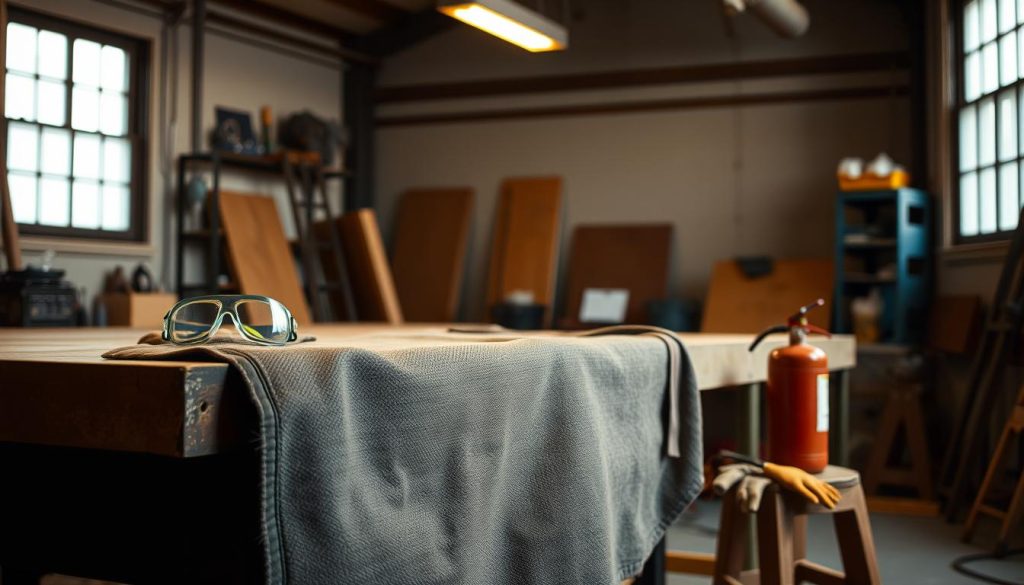
Proper Setup and Protective Measures
Before you even think about starting your work, put on your complete safety gear. This means protective eyewear, heavy-duty gloves, and flame-resistant clothing. Don’t forget proper shoes too. Sparks can land anywhere and cause serious harm.
Now, let’s talk about positioning your blankets. Leave plenty of space around your work area. This creates a buffer zone that protects bystanders from flying sparks and flames. Have you ever considered what happens if someone walks too close?
Always inspect your blankets before use. Check for holes, rips, or weak spots. A damaged blanket provides false security. If you find any issues, replace it immediately. Never take chances with compromised protection.
Pay attention to the surface beneath your blankets. Avoid wooden surfaces whenever possible. Concrete or metal surfaces are much safer choices. Sometimes one layer isn’t enough. Consider adding extra protection in high-risk areas.
Proper ventilation is crucial even with barriers in place. Shielding gas and fumes need to dissipate safely. After each use, inspect your blankets for burn marks or discoloration. Following these safety practices ensures your equipment works as intended every time.
Industry Standards and Best Practices in Welding Safety
When lives are on the line, following established safety protocols becomes non-negotiable. Industry standards exist to create consistent minimum levels of protection across all operations. Think of them as a quality guarantee for your safety.
These guidelines ensure that protective products perform as expected when needed most. Without them, how could you trust your gear?
Compliance with Safety Certifications
Look for certifications like NFPA 70E or ASTM when selecting protective clothing. These labels prove the gear meets rigorous testing requirements. Different industries often have specific standards beyond general requirements.
Compliance protects both workers and employers from liability. It shows due diligence was taken to prevent accidents. Always check certification dates too – what passed years ago might not meet current levels.
Reputable manufacturers proudly display their compliance documentation. Reading customer reviews helps verify real-world performance beyond certifications. When in doubt, consult safety professionals who understand your specific needs.
Creating a culture of safety means going beyond minimum standards. It’s about making protection a priority in every decision. Your choice in protective clothing and products reflects this commitment.
Welding Blankets and FR Gear: Their Role in Fire Prevention
Think of your welding blanket as your first line of defense against workshop fires. These protective barriers stop sparks and molten metal from reaching flammable surfaces. They create a safe zone around your work area.
The gear you wear plays an equally important role. Specialized clothing prevents small sparks from turning into big emergencies. Have you ever considered what happens when a spark lands on regular fabric?
There’s a key difference between prevention and emergency response. Welding blankets work proactively during your work. Fire blankets react to existing flames by cutting off oxygen.
Interestingly, your welding blanket can serve double duty. In an emergency, it can smother small fires effectively. However, standard fire blankets aren’t heat-resistant enough for welding use.
Smart safety planning means having both types of protection available. Prevention is always better than response. Multiple layers—blankets, gear, ventilation—work together to minimize hazards.
Keep emergency fire blankets in accessible locations. Understanding this dual nature helps you prepare for both prevention and emergency situations. Proper use of these tools stops fires before they start.
Addressing Material Selection for Diverse Welding Environments
Every welding job takes place in a unique setting, and the risks change with the scenery. What works perfectly in a controlled factory might be completely wrong for an outdoor construction site. The key to true safety is matching your protective gear to your specific work area.
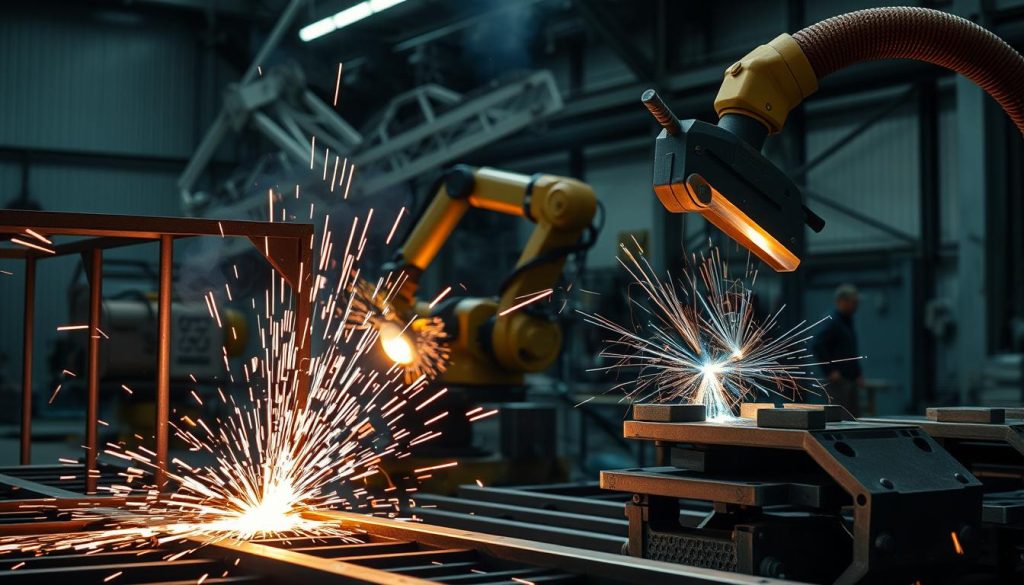
Assessing Heat, Sparks, and Spatter Risks
Think about the differences. A large manufacturing facility deals with constant, high-volume work. This demands permanent, industrial-grade protection that can handle relentless exposure.
Now, picture a construction site. It’s outdoors, often windy. Sparks can travel much farther. Portable, heavy-duty blankets are essential here. The temperatures and flying metal are just as dangerous, but the environment changes the game.
Activities like grinding and plasma cutting add another layer of hazards. They create their own intense heat and showers of sparks. Your safety plan must account for these related tasks too.
| Work Environment | Primary Heat & Spark Risks | Key Protection Focus |
|---|---|---|
| Construction Site | Wind-blown sparks, varied surfaces | Portability, wide coverage |
| Manufacturing Facility | Constant spatter, high-volume work | Durability, permanent installations |
| Shipbuilding | Confined spaces, metal surfaces | Flexibility, heat containment |
Molten metal spatter from arc welding can reach extreme temperatures. It can fly surprisingly far. Assessing your space, ventilation, and surrounding materials prevents both under-protection and wasteful over-spending. The right choice depends entirely on your specific combination of risks.
Conclusion
Ultimately, the goal of all this discussion about gear and guidelines is simple: to go home safely at the end of the day. Choosing the right protective equipment is the cornerstone of that goal.
Whether you’re tackling a small project or running a large-scale operation, the principles of safety remain the same. Understanding blanket categories and proper usage protects both people and property from fire hazards.
Investing in quality protection pays for itself by preventing costly damage and injuries. Your specific work and environments should guide your selection of materials and blankets.
For professional welding services in the Gilbert area that prioritize safety, contact Xpress Mobile Welding Phoenix at 922 N Colorado St, Gilbert, AZ 85233, or call (623) 263-0277. They understand that proper protection is the foundation of all good work.
FAQ
What’s the difference between flame-resistant and flame-retardant clothing?
Flame-resistant gear is made from special fibers that naturally resist catching fire. Flame-retardant clothing is treated with chemicals to achieve similar protection. For welding, inherent resistance is often preferred for long-term durability against heat and sparks.
How do I choose the right welding blanket for my work?
Consider the heat levels and spatter from your welding tasks. Light-duty blankets are great for small jobs, while industrial options handle extreme temperatures. Look at material properties like fiberglass or silica coatings for the best defense against flames.
Why is proper care for my welding gear so important?
Regular cleaning and correct storage maintain the material’s protective qualities. Damage from chemicals or grinding debris can weaken the fabric. Good upkeep ensures your safety equipment performs when you need it most.
What safety standards should I look for in welding gloves and blankets?
Always check for certifications like those from the National Fire Protection Association (NFPA). These standards confirm the gear meets strict requirements for heat resistance and durability in hazardous environments.
Can a welding blanket protect against all fire hazards?
While they are excellent for stopping sparks and spatter, blankets are part of a larger safety system. You still need proper personal protective equipment, like gloves and a jacket, for full-body protection from exposure to flames and high temperatures.
How long does fire-resistant welding gear typically last?
Durability depends on use and care. With proper maintenance, quality gear can last for years. However, you should inspect it regularly for any signs of wear or damage, like tears or thinning fabric, that could reduce its effectiveness.